

Navigating the Burnout Fog: Why being an expat is a heavy lift, and how the Dutch system is built to catch you
Look, let’s be honest: moving to Amsterdam is a massive life event. Most of us head over here chasing a better quality of life, dreaming of those famous canal-side cycles and finishing work at 5:00 PM. But for many expats, the transition can be a real shock to the system. Instead of feeling balanced, you might find yourself feeling utterly spent, disconnected, and wondering why you can’t seem to keep your head above water.
If you are feeling this way, I want you to know something right off the bat: you aren’t failing, and you aren’t just tired. You might be experiencing burnout. It’s a common hurdle for the international community here, and in the Netherlands, it is something we take very seriously.
Why burnout hits differently when you are an expat
Burnout isn’t just about working long hours. It is what happens when the demands on your life consistently outweigh the energy you have to meet them. When you are an expat, your baseline stress is already much higher because you are navigating a new culture and system.
Everyday things that used to be easy back home—like going to the pharmacy, understanding a letter from the tax office, or even just making a new friend—require a lot of mental heavy lifting. Those tasks drain your battery before you even get to the office.
Because we’ve moved our whole lives across the world, many of us also feel a huge pressure to succeed. We feel like we have to work twice as hard to prove we belong here, which makes it really difficult to set boundaries or say no to a manager. Without our usual support networks of family and old mates nearby, we often pour everything we have into our jobs, leaving us with nothing left for ourselves.
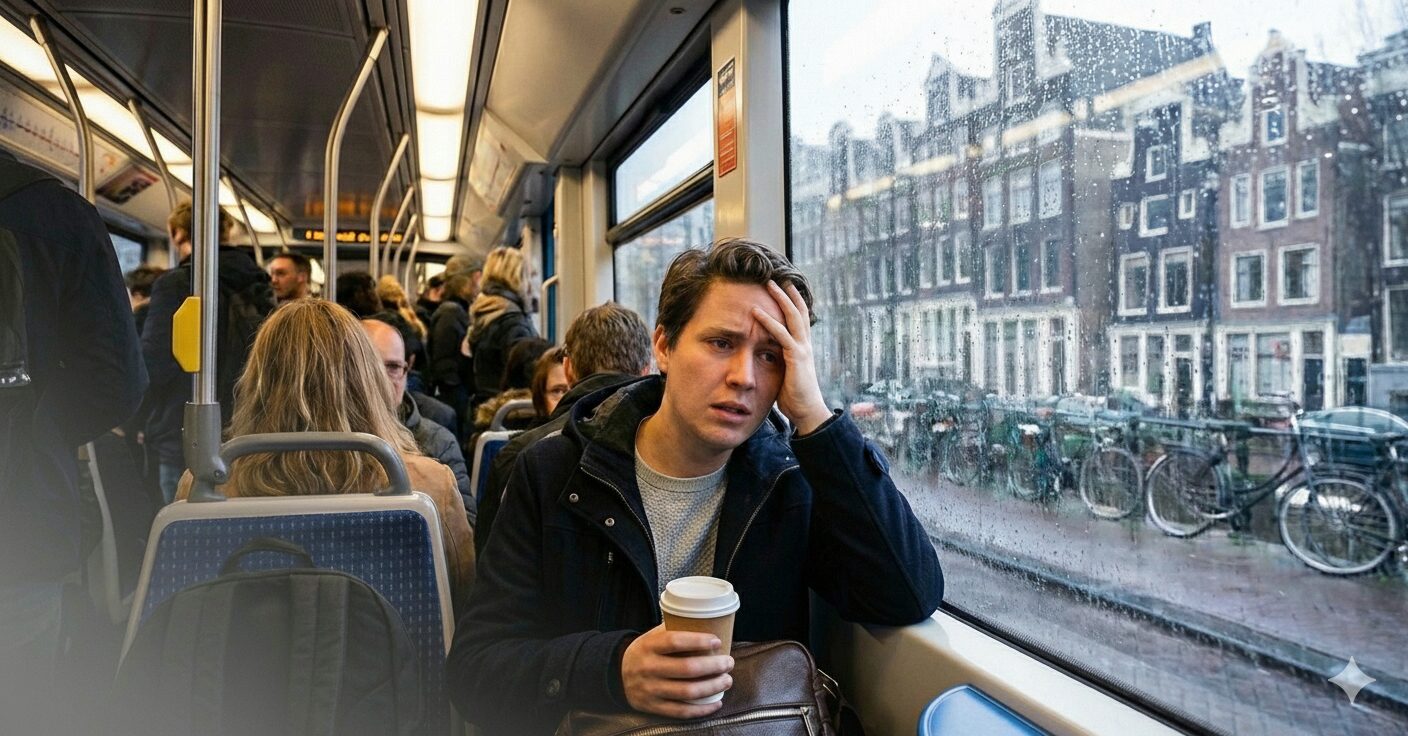
Why it is a team issue, not just a you issue
I often talk to people who feel guilty because they think they are letting their team down. But burnout is rarely just about one person. It is usually a sign that the workplace culture or the collective load is out of balance.
When someone on a team is burning out, it impacts everyone. Your brain’s ability to solve problems and make decisions slows down, which naturally creates more work for the people around you. You might also find yourself becoming more irritable or cynical. This isn’t a character flaw; it is a symptom of emotional exhaustion. It changes the vibe of the whole team and can lead to a cycle where everyone starts feeling the strain.
The Dutch approach: A system designed for recovery
One of the biggest surprises for expats in the Netherlands is how burnout is handled. In many other countries, if you can’t work due to stress, you might worry about losing your job or your income. Here, the system is designed to support your recovery.
The Dutch government and employers recognize that a burnt-out worker needs real time to heal. If you are struggling, you will likely meet with a professional from the Arbo service (Occupational Health). They aren’t there to represent your boss; they are there to make sure you are healthy enough to be at work.
Under Dutch law, you are often entitled to significant salary protection for up to two years of sick leave. This is designed to take the financial fear out of the equation. It gives your nervous system the space it needs to actually reset without you worrying about how to pay the rent. In this culture, taking time off for burnout is seen as a responsible move for your long-term health and your career.
The Burnout Checklist: Are you running on empty?
Because burnout creeps up on you slowly, it can be hard to spot until you’re already in the thick of it. If you’re unsure where you sit, have a look through these points. If you find yourself nodding along to more than a few, it might be your body’s way of telling you it’s time to slow down.
Physical Red Flags
- The Monday Morning Wall: You wake up after a full night’s sleep and still feel like you’ve been hit by a truck.
- Constant Headaches or Tension: You’re carrying a lot of stress in your jaw, neck, or shoulders that just won’t shift.
- Change in Habits: You’re reaching for caffeine, sugar, or alcohol more often just to get through the day or switch off at night.
Emotional & Mental Signs
- The Cynicism Shift: You used to care about your projects, but lately, everything feels a bit pointless or annoying.
- Short Fuse: You’re snapping at your partner, your housemates, or your colleagues over small things that wouldn’t usually bother you.
- Brain Fog: You find yourself staring at a simple email for twenty minutes, unable to figure out how to start it.
- Emotional Numbness: You don’t feel particularly sad, but you don’t feel happy either. You just feel flat.
Workplace Behaviour
- Procrastination Station: You’re putting off tasks you used to breeze through because the mental effort feels too high.
- Isolation: You’re skipping the Friday borrel (after-work drinks) or avoiding lunch because you just don’t have the social energy.
- Checking Out: You’re physically at your desk, but mentally you’re miles away.

Prevention and finding your way back
The good news is that burnout is treatable, and the sooner you catch it, the easier the recovery. Prevention is all about learning to manage your energy rather than just your time. This might mean getting better at setting boundaries, or it might mean talking to your Huisarts (GP) about how you are feeling.
You don’t have to wait until you have a total collapse to seek support. As a psychologist who has made the move to Amsterdam myself, I understand the unique pressure of building a life here.
If you feel like you are running on empty, let’s have a chat. We can work through the strategies you need to navigate the Dutch system and, more importantly, get you back to a place where you can actually enjoy your life in this beautiful city.